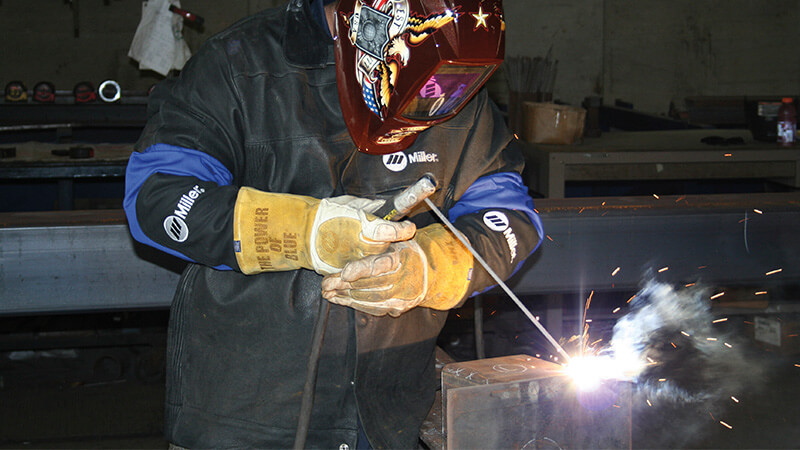
Everything about Welding: Key Insights Into Techniques and Best Practices for Success
Welding includes a selection of techniques, each matched for certain materials and applications. Recognizing these techniques, such as GMAW, SMAW, and TIG, is crucial for accomplishing optimal outcomes. Moreover, the right tools and security techniques can not be neglected. As preparation and repairing play critical duties in the welding procedure, grasping these aspects can greatly boost the high quality of the final item. What are the vital aspects that ensure an effective weld?
Comprehending Different Welding Methods
Welding strategies encompass a range of methods, each suited to certain applications and materials. Amongst the most usual methods are Gas Steel Arc Welding (GMAW), Secured Steel Arc Welding (SMAW), and Tungsten Inert Gas Welding (TIG) GMAW, additionally referred to as MIG welding, is prominent for its rate and adaptability, making it suitable for slim products. SMAW, or stick welding, is favored for its simpleness and efficiency in outside atmospheres, specifically with thicker steels. TIG welding provides accuracy and control, making it suitable for intricate job and non-ferrous steels (Montana Mobile Welding and Repair Belgrade Welding). Each technique has its unique benefits and factors to consider, permitting welders to select the very best approach based on the task's requirements, product type, and preferred outcomes. Understanding these techniques is necessary for successful welding
Necessary Welding Tools and Tools
While different welding techniques require particular skills, the best devices and devices are equally necessary for accomplishing top quality results. Crucial welding equipment consists of welding equipments, which differ relying on the technique-- such as MIG, TIG, or stick welding. Safety gear, consisting of safety helmets, aprons, and gloves, guarantees security and comfort during the process. Additionally, components and clamps aid secure materials in position, ensuring accuracy in welds. Consumables like welding poles, wire, and securing gas are additionally vital parts that influence the quality of the weld. Furthermore, devices such as cutters and mills assist in surface preparation and post-weld ending up, adding to a professional end result. Purchasing high-quality tools eventually boosts the performance and performance of welding projects.
Security Practices in Welding
Appropriate security techniques are vital in the welding sector to safeguard employees from potential hazards. Welders have to put on suitable personal safety tools (PPE), consisting of safety helmets with proper shading, gloves, and flame-resistant garments. Ample air flow is crucial to reduce exposure to dangerous fumes and gases generated throughout the welding procedure. Furthermore, employees must be learnt the right handling of welding equipment to stop crashes. Fire security procedures, such as maintaining flammable materials away from the welding area and having fire extinguishers readily offered, are essential. Routine evaluations of equipment and workspaces can assist determine possible hazards before they cause crashes. By sticking to these safety techniques, welders can create a safer working environment and lessen risks related to their trade.
Readying Materials for Welding
Preparing materials for welding is an important step that substantially influences the top quality and stability of the end product (Fabrication). Appropriate preparation includes cleaning up the surface areas to get rid of contaminants such as oil, dust, and rust, which can jeopardize the weld. Strategies such as grinding, sanding, or using solvents are frequently utilized to achieve a clean surface area. Additionally, ensuring that the materials mesh well is essential; voids can lead to weak welds. It's also important to think about the placement and positioning of the components, as this will influence the ease of welding and the final end result. Selecting the appropriate filler product and making certain compatibility with the base steels is important for achieving solid, long lasting welds.
Tips for Achieving High-Quality Welds
Accomplishing top quality welds needs interest to detail and adherence to best methods throughout the welding procedure. Appropriate joint preparation is necessary, guaranteeing surfaces are tidy and free from impurities. Selecting the suitable filler material and welding method based on the base steels is vital for optimal bonding. Keeping consistent traveling rate and angle while welding can stop issues and promote uniformity. In addition, managing warm input is crucial; extreme warm can result in bending and compromised joints. If essential, frequently checking the welds throughout the procedure permits for prompt changes. Employing appropriate post-weld therapies, such as cleansing and stress relief, can boost the resilience and stability of the weld, ultimately ensuring a successful end result.
Fixing Usual Welding Issues
Welding frequently provides difficulties that can influence the quality and integrity of the end product. Typical problems such as porosity, inconsistent weld grains, and overheating can develop, each calling for specific repairing techniques. Recognizing these problems is vital for welders to improve their skills and attain suitable outcomes.
Porosity Troubles Explained
Although porosity can commonly be ignored, it continues to be a vital issue in welding that can jeopardize the integrity of an ended up product. Porosity describes the existence of tiny gas pockets within the weld bead, which can lead and compromise the joint to premature failure. This issue usually arises from pollutants, wetness, or inappropriate protecting gas coverage during the welding process. To minimize porosity, welders must validate that the base products are dry and clean, make use of ideal protecting gases, and maintain regular welding specifications. Frequently evaluating the devices and atmosphere can additionally help recognize prospective problems prior to they show up in the weld. Addressing porosity properly is essential for accomplishing strong, durable welds that fulfill quality standards.
Irregular Weld Beads
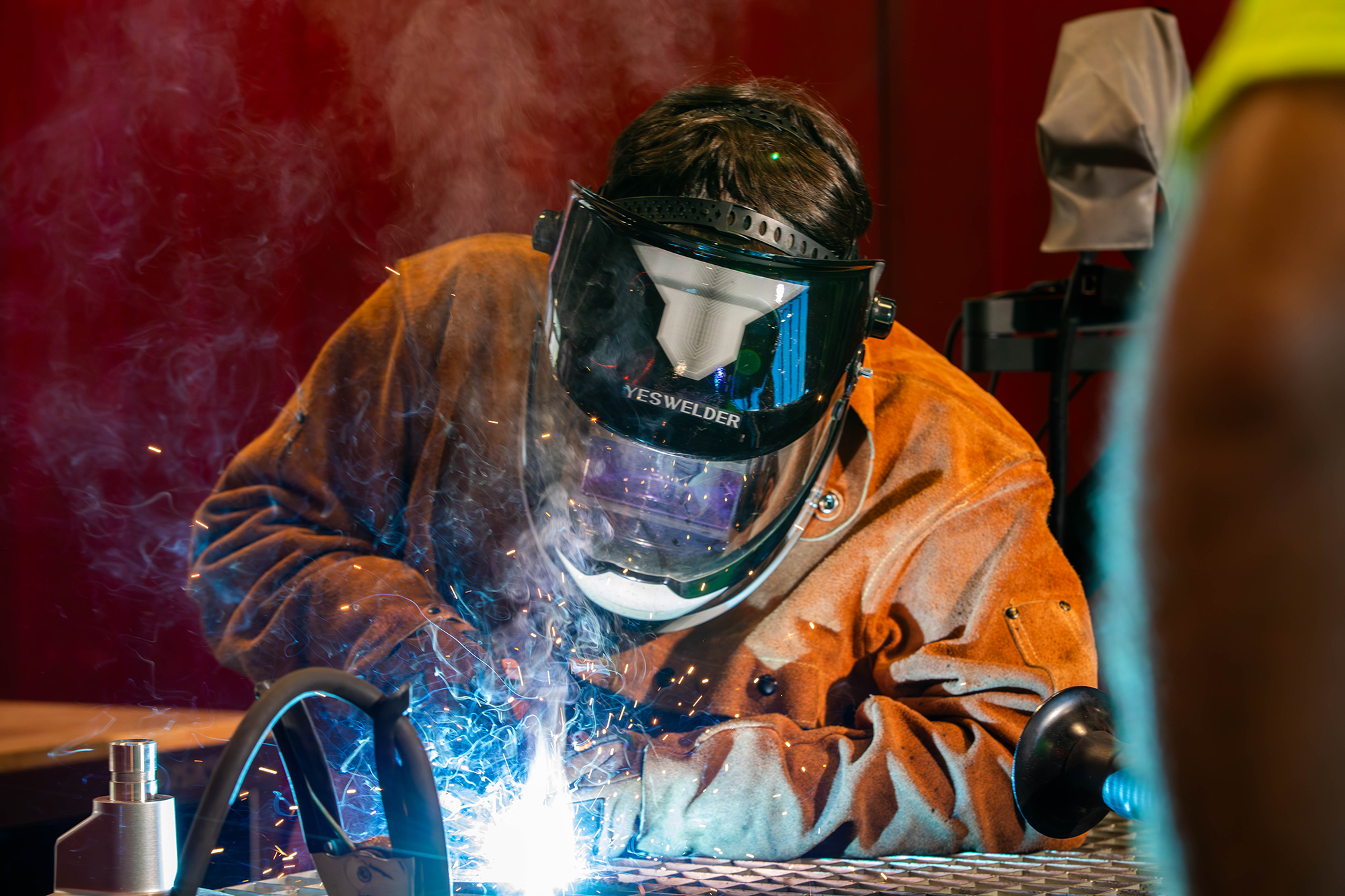
Inconsistent weld beads can considerably influence the quality and toughness of an ended up product. Different elements add to this concern, including improper traveling rate, inaccurate amperage settings, and inconsistent electrode angles. When the welder moves too promptly, a grain may show up slim and do not have penetration, while moving too gradually can trigger too much buildup. In addition, using the incorrect amperage can result in either damaging or too much spatter, both of which compromise weld honesty. The welder's technique, such as inconsistent lantern motion, can likewise bring about irregular bead look. To reduce these problems, welders must focus on maintaining consistent, regulated motions and making certain appropriate equipment settings to accomplish uniformity in their welds. Consistency is essential to achieving trustworthy and solid welds.
Getting Too Hot and Warping Issues
Excessive heat throughout the welding procedure can result in considerable getting too hot and contorting issues, impacting the structural integrity of the work surface. These problems frequently show up as distortion, which can endanger positioning and fit-up, making further assembly challenging. Aspects adding to overheating include the option of welding specifications, such as voltage and take a trip speed, in addition to the kind of product being welded. To mitigate these problems, welders must preserve constant traveling rate and ideal heat input while checking the work surface temperature. Additionally, preheating or post-weld warmth treatment can assist relieve stresses brought on by quick air conditioning - Montana Mobile Welding and Repair. Routine assessment and adherence to finest techniques are necessary in avoiding overheating and making sure the durability and dependability of welded frameworks
Often Asked Questions
What Are the Job Opportunities in the Welding Sector?
The welding market uses varied career chances, including settings as welders, examiners, engineers, and teachers. Experts can work in manufacturing, construction, aerospace, and auto fields, gaining from strong need and competitive incomes here in numerous duties.
Just How Can I Improve My Welding Speed Without Sacrificing High Quality?
To enhance welding speed without giving up quality, one need to practice efficient strategies, preserve tools, optimize setups, and improve hand-eye sychronisation. Normal training and looking for comments can also considerably add to accomplishing quicker, top quality welds.
What Certifications Are Available for Welders?
Various accreditations exist for welders, consisting of those from the American Welding Society (AWS), the National Center for Building And Construction Education and Study (NCCER), and different industry-specific organizations. These qualifications enhance employability and demonstrate ability effectiveness.
Exactly How Does Welding Impact the Qualities of Metals?
Welding affects the properties of steels by altering their microstructure, which can result in changes in strength, firmness, and ductility. Warmth input and air conditioning rates throughout the procedure significantly affect these material features.
Can I Weld Dissimilar Metals With Each Other?